Avenues Historic District Home Inspection: What to Expect
Inspecting a pre-1920 home in the Avenues of Salt Lake City means evaluating sandstone foundations, knob and tube wiring, and seismic vulnerability. Here is the real story.
Salt Lake City home inspection guide covering seismic concerns, radon, expansive soils on benches, snow load, and the issues unique to homes along the Wasatch Front.
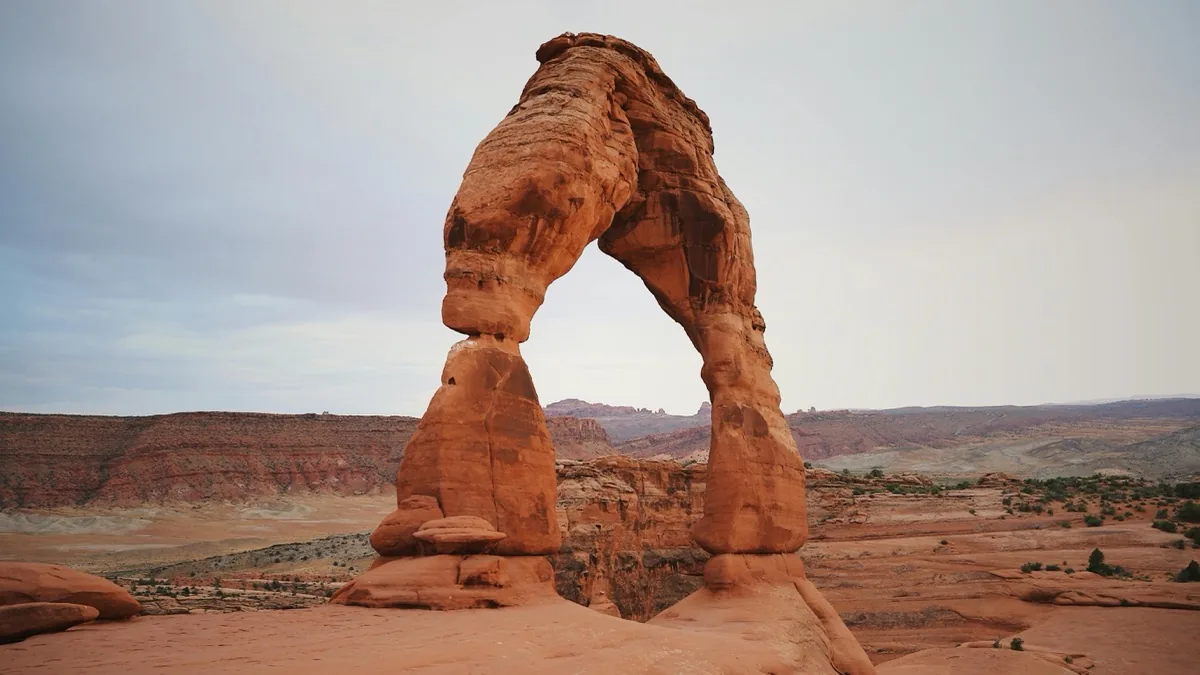
Salt Lake City sits in a high desert valley at 4,200 feet, bounded on the east by the Wasatch Range and on the west by the Oquirrh Mountains. The city's housing stock spans 150 years of construction, from pioneer-era adobe and brick homes in the Avenues neighborhood to mid-century ranches in Sugar House to new construction at Daybreak and on the foothill benches.
The Wasatch Fault is the dominant inspection concern in Salt Lake City. The fault runs directly under the populated valley, and the U.S. Geological Survey estimates a meaningful probability of a magnitude 6.75 or larger earthquake in the next 50 years. Older homes built before the 1990s typically lack mudsill bolts, cripple wall bracing, and chimney reinforcement. Retrofitting is increasingly common but far from universal.
Radon affects a large portion of homes in Salt Lake County. Testing is recommended for any home being purchased, particularly homes with basement living space.
The benches at the base of the Wasatch contain expansive clay soils that swell when wet and shrink when dry. Foundation movement shows up as cracks in basement walls, sloping floors, and sticking doors. The city's older brick homes are especially sensitive because brick does not flex with movement the way wood framing does.
Snow load is a real consideration. Valley locations require roof structures rated for 30 pounds per square foot, but elevation matters. Homes in foothill neighborhoods at 5,500 feet need higher capacity.
Whether you are buying a Victorian in the Avenues, a mid-century brick rambler in Sugar House, or new construction on the west side, understanding the local inspection priorities will save you from surprises after closing.
Key Neighborhoods: The Avenues, Sugar House, Capitol Hill, 9th and 9th, Federal Heights, Liberty Wells, Rose Park
Local Requirements: Salt Lake City building code based on IRC, seismic retrofitting incentives available through city programs
Inspecting a pre-1920 home in the Avenues of Salt Lake City means evaluating sandstone foundations, knob and tube wiring, and seismic vulnerability. Here is the real story.
What seismic retrofitting includes for Salt Lake City homes, how to identify what is already done, and what unreinforced construction means for Wasatch Fault buyers.
How to inspect a Salt Lake City roof for snow load capacity, ice damming risk, ventilation, and structural condition before the first heavy snowfall.