Charleston Formosan Termite Inspection Findings Explained
Reference guide to Formosan termite findings in Charleston home inspections, how they differ from native termites, treatment costs, and bond options.
Charleston home inspection guide: historic district considerations, hurricane preparation, Formosan termites, flood zones, and Lowcountry construction concerns.
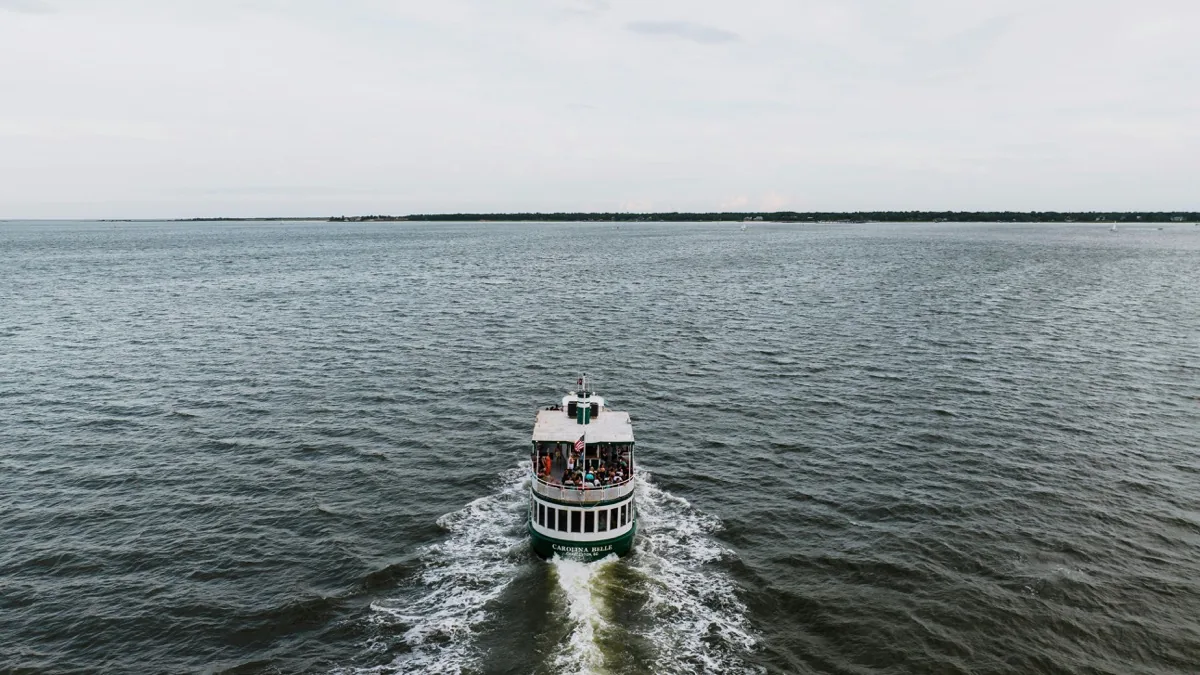
Charleston is one of the most distinctive housing markets in the Southeast. The peninsula and surrounding islands contain some of the oldest housing stock in the country, with a number of historic district homes dating to the 1700s and 1800s. Surrounding the historic core are growing neighborhoods on James Island, Daniel Island, Mount Pleasant, and West Ashley, with construction ranging from postwar bungalows to brand-new developments.
The climate works against buildings in ways that affect every inspection. Average annual rainfall exceeds 50 inches, summers run hot and persistently humid, and the coast sees an average of one tropical system per year close enough to cause concern. Salt air corrodes metal fasteners, electrical components, and HVAC condensers at a rate that homes inland never experience. Crawlspaces sit close to the water table and stay damp year-round in much of the city.
Termites in Charleston deserve their own paragraph. The Formosan subterranean termite is established throughout the area, and its colonies are larger and more destructive than the native Eastern subterranean termite found elsewhere in the Southeast. Wood-destroying organism inspections by Clemson-licensed pest control operators are standard practice and required for VA and FHA loans. Most Charleston-area homes have either active termite contracts or visible evidence of past treatments.
Flood zones matter for both insurance costs and inspection priorities. Much of the Charleston metro sits in FEMA-designated Special Flood Hazard Areas, and homes in these zones either need flood insurance or, if built since the 1970s, have specific elevation requirements that affect crawlspace and basement design. The FEMA Flood Map Service Center lets buyers verify the flood zone for any specific address before scheduling an inspection.
Historic district properties have additional complexity. The Charleston Board of Architectural Review regulates exterior changes within the historic district, and replacements of windows, siding, and roofing materials may require period-appropriate materials and approvals. Inspectors note original materials and pre-code construction details, but these are not always defects in the historic district context.
Key Neighborhoods: Downtown Historic District, South of Broad, Mount Pleasant, James Island, West Ashley, Daniel Island
Local Requirements: Charleston Board of Architectural Review for historic district, FEMA flood zone elevation requirements, Clemson DPI termite letters required for VA/FHA loans
Reference guide to Formosan termite findings in Charleston home inspections, how they differ from native termites, treatment costs, and bond options.
Inspecting an 1820s Charleston single house south of Broad. What counts as a defect versus what is normal for historic Lowcountry construction.
Step-by-step guide to evaluating a Charleston home for hurricane resistance, wind mitigation features, flood zone risks, and insurance implications.