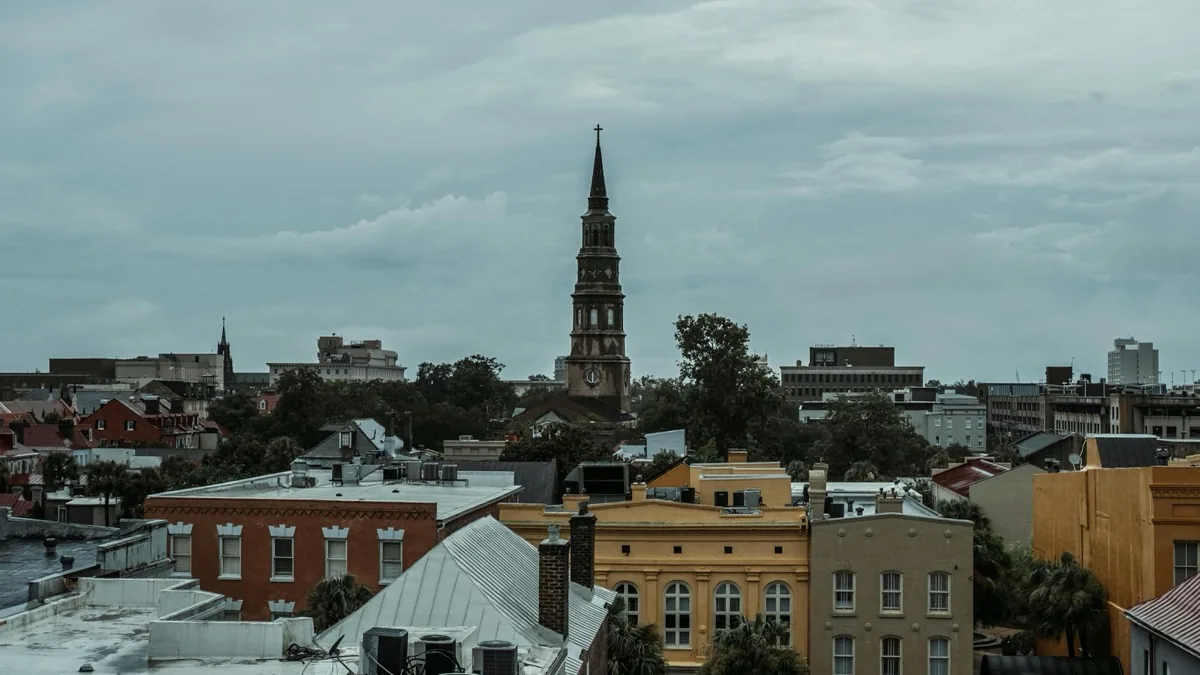
South Carolina home inspections look different depending on where in the state you are buying. The coastal Lowcountry deals with hurricane wind, storm surge, and constant salt air exposure. The Midlands around Columbia have humid subtropical conditions and clay soils that affect foundation behavior. The Upstate around Greenville has cooler temperatures, more freeze-thaw cycles, and different geological concerns.
Termite pressure is high across the entire state. The Clemson University Department of Plant Industry regulates termite control work in South Carolina and provides resources on identifying wood-destroying organism activity. Both Eastern subterranean termites and the more aggressive Formosan subterranean termite have established populations in coastal areas, with Formosan activity concentrated around Charleston and the surrounding counties.
South Carolina has adopted the 2018 International Residential Code with state modifications. Coastal counties have additional wind load requirements that affect framing, roof attachment, and window protection. Homes in designated wind zones must meet stricter standards for hurricane resistance, which inspectors evaluate during the standard inspection process.
Historic preservation rules apply in much of the state, especially in Charleston and parts of Beaufort and Columbia. Buyers in these districts encounter inspection findings related to original materials, historic-grade windows, and structural elements that predate modern building codes. Understanding these context factors helps you interpret findings appropriately rather than treating every old-construction detail as a defect.
Common South Carolina Considerations
- Termite activity (including Formosan)
- Hurricane and wind damage
- Salt air corrosion in coastal areas
- Crawlspace moisture
- Foundation movement on clay soils
Local Requirements: 2018 IRC with state modifications, additional wind load requirements in coastal counties, Clemson DPI termite letters required for VA/FHA loans