New Mexico home inspections look different from inspections almost anywhere else in the country. The construction methods are different, the climate is different, and the issues that show up in reports reflect both. Buyers moving from other states are often surprised by how much of a New Mexico report focuses on systems and materials they've never had to think about.
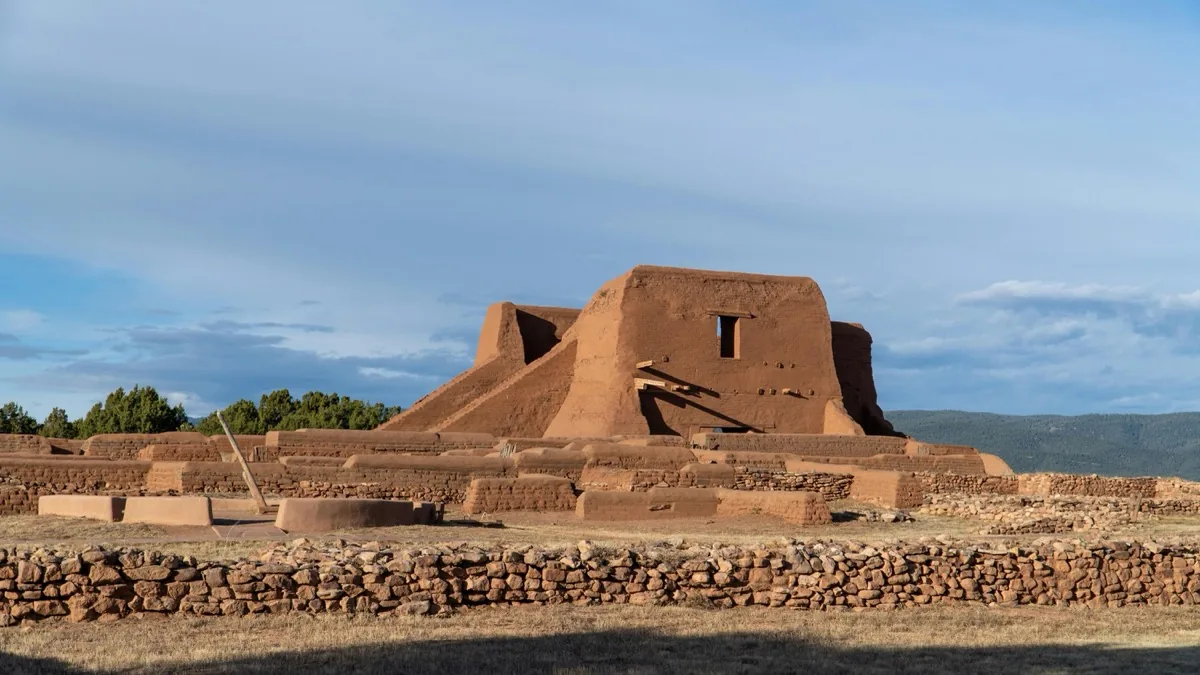
Adobe and stucco dominate the housing stock across most of the state. Traditional adobe homes use sun-dried earthen bricks for walls, sometimes hundreds of years old. Even modern construction often uses stucco-clad frame walls that mimic the appearance of adobe. Both systems demand specific inspection knowledge. Stucco cracking patterns, parapet wall conditions, drainage at the base of walls, and signs of water intrusion behind cementitious finishes all show up regularly in reports across Albuquerque, Santa Fe, Las Cruces, and Rio Rancho.
Flat roofs are the other defining feature of New Mexico construction. Built-up roofs, modified bitumen, and single-ply membranes appear far more often than the asphalt shingles common elsewhere. Inspectors here evaluate roof drains, scuppers, parapet flashings, and ponding water. The arid climate is kind to flat roofs in some ways and brutal in others. UV exposure breaks down membrane materials faster than in cooler regions, and the summer monsoon season concentrates a full year's rainfall into a few intense weeks.
Radon is a state-wide consideration. New Mexico has elevated indoor radon levels in many areas, and the EPA identifies multiple counties as Zone 1 (highest predicted average). Inspectors increasingly recommend or include radon testing as part of New Mexico inspections, particularly for homes with basements or slab-on-grade construction near uranium-bearing geology.
New Mexico licenses home inspectors through the Regulation and Licensing Department's Construction Industries Division. Inspectors must complete required education and pass an exam. Many also carry additional certifications through ASHI or InterNACHI. Typical inspection costs run $400 to $600 for single-family homes, with additional fees for specialized services like radon testing or stucco evaluations.
Common New Mexico Considerations
- Stucco cracking and water intrusion
- Flat roof membrane failure and ponding
- Radon in residential construction
- Adobe wall settlement and erosion
- Evaporative cooling system maintenance
- Septic systems in rural and exurban areas
Local Requirements: New Mexico Construction Industries Division licenses home inspectors; state follows IRC with local amendments; some pueblos and historic districts have additional requirements