Common Boise Home Inspection Findings by Construction Era
What inspectors find in Boise homes from each construction era, from pre-1940 North End historics to post-2015 subdivisions. Use as a reference for what to expect.
Boise home inspection guide: high desert climate considerations, foothills foundation issues, rapid-build subdivisions, North End historic homes, and what Ada County buyers should know.
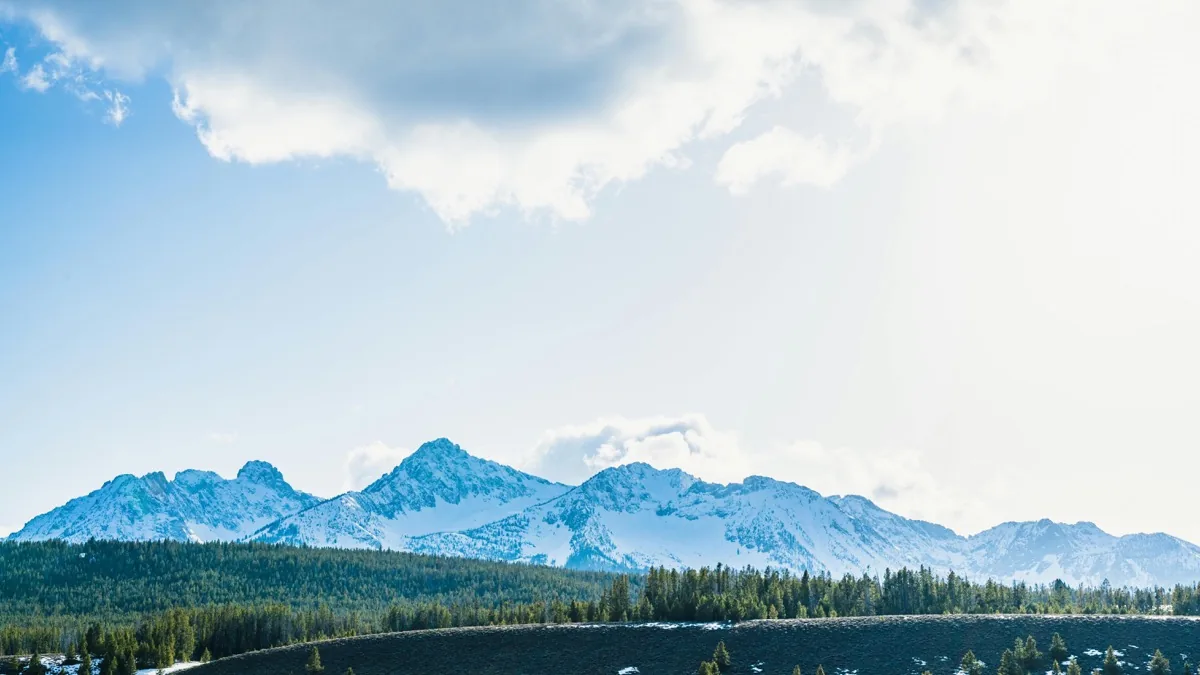
Boise sits in the Treasure Valley at the edge of the Boise Foothills, an arid bench landscape where the high desert meets the Boise National Forest. The city has grown more than 30 percent over the past fifteen years, and that growth has reshaped the housing inventory dramatically. A Boise inspection in 2026 might cover a 1908 brick farmhouse in the East End, a 1955 ranch in the North End, a 1990s subdivision home in West Boise, or a 2022 new construction in the foothills. Each comes with a distinct inspection profile.
The North End and East End neighborhoods contain Boise's oldest housing stock. Many homes date to the early 1900s and reflect the period architecture of brick bungalows, Craftsman-style cottages, and English Tudor revivals. Inspections in these neighborhoods often document knob-and-tube wiring still in service, galvanized water supply lines, original cast iron drain stacks, and brick chimneys that have weathered more than a century of freeze-thaw cycling. The buyer pool for these homes typically expects findings and budgets accordingly.
Boise Foothills inspections come with their own concerns. The benches above the city sit on soils that range from decomposed granite to expansive clay depending on location. Homes built into hillsides may show signs of slope movement, drainage problems, or foundation walls that have shifted in response to seasonal moisture changes. The 2008 Boise Foothills Sub-Watershed Plan addresses some of the drainage and slope issues that affect properties in this area, and inspectors familiar with foothills construction know what to look for.
The rapid-build subdivisions in West Boise, Meridian, and Eagle were constructed during the housing boom of the early 2000s and the more recent post-2015 growth cycle. Many of these homes were built quickly, and inspections in this housing stock often find finishing problems that did not show up immediately but emerged over years. Synthetic stucco performance, settlement at fill areas, garage floor cracks from poor base preparation, and HVAC sizing problems are common findings.
The high desert climate matters more than newcomers expect. Boise averages just 12 inches of precipitation per year, but it gets sustained cold in winter with overnight lows reaching the single digits, and summer high temperatures regularly exceed 100 degrees. The freeze-thaw cycling is severe enough to damage exterior concrete, brick masonry, and any unprotected plumbing. Summer heat tests HVAC systems and creates conditions where attic temperatures regularly exceed 140 degrees.
Radon is a significant Boise consideration. Ada County is classified as EPA Zone 1, the highest predicted indoor radon level. The Idaho Department of Health and Welfare recommends testing for every home purchase, and most Boise inspectors offer radon measurement as an add-on for $125 to $200.
Boise homes have specific patterns that reward inspectors who know the area. Whether you are buying a North End historic, a foothills modern, or a Meridian subdivision build, understanding what to expect helps you evaluate findings against what is normal for the property type.
Key Neighborhoods: North End, East End, Boise Foothills, Hyde Park, Warm Springs, Vista, West Boise, Boise Bench, Harris Ranch, Collister
Local Requirements: City of Boise enforces municipal building codes through the Planning and Development Services department; Ada County permitting required for unincorporated areas; no statewide home inspector licensing in Idaho
What inspectors find in Boise homes from each construction era, from pre-1940 North End historics to post-2015 subdivisions. Use as a reference for what to expect.
What to do before, during, and after a Boise home inspection. Timing, add-ons, foothills considerations, and how to get the most out of your Idaho inspection.
What inspectors find on Boise Foothills hillside homes: slope movement, foundation drainage, expansive soils, and the surprise behind a perfect-looking 2014 build.