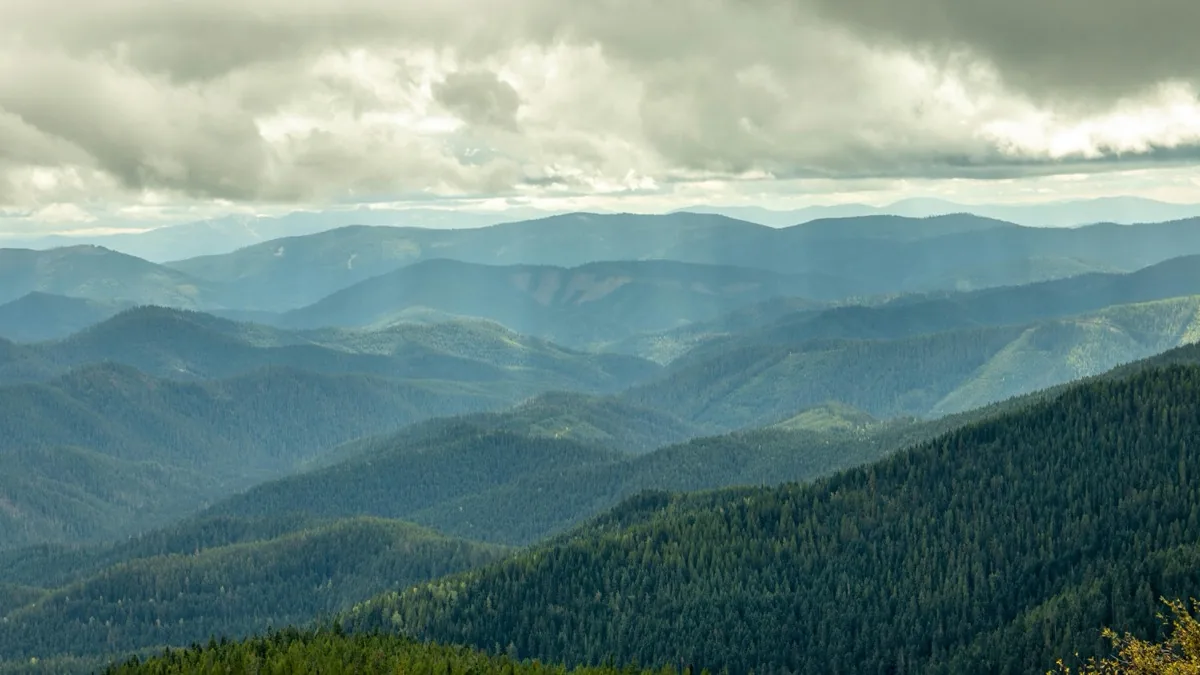
Idaho home inspections reflect a state of striking geographic and climatic variety. A 1910 farmhouse on the Palouse looks nothing like a 2018 stucco home in Boise, which in turn looks nothing like a mountain cabin in Coeur d'Alene. The factors that matter most on any given inspection depend heavily on elevation, soil type, and proximity to either irrigated agriculture or wildland fuel.
The Treasure Valley around Boise, Nampa, and Meridian has seen rapid population growth over the past two decades. Much of the housing stock there was built since 2000, with significant new construction continuing today. Inspections in newer Treasure Valley homes focus on quality of construction during boom periods, settlement of fill soils where subdivisions were carved out of former agricultural land, and the performance of synthetic stucco and other modern exterior systems.
Foundation movement is a frequent finding across much of southern and southwestern Idaho. The soils carry significant clay content in many areas, and expansive clay behavior produces predictable patterns of settlement and heave depending on irrigation, drainage, and seasonal moisture. Older homes in established neighborhoods often show stair-step cracks in basement walls, separation at the corners of additions, and door and window misalignment that has progressed over decades.
Snow load and ice damming dominate inspections in the central and northern parts of the state. McCall, Sun Valley, Coeur d'Alene, Sandpoint, and the smaller mountain communities receive substantial snowfall every winter. Roof systems on mountain homes need to handle live loads that flatland houses never see. Inspectors document roof pitch, snow shedding patterns, ice and water shield coverage, and the condition of any heated cable systems.
Wildfire risk is a growing inspection topic across forested areas of Idaho. Defensible space around the structure, the use of ignition-resistant exterior materials, ember-resistant roof venting, and the condition of decks and outbuildings near the home all factor into reports for properties in the wildland-urban interface. The U.S. Forest Service publishes Firewise guidance that many Idaho inspectors reference.
Idaho does not require statewide licensing for home inspectors. The state's professional inspectors typically hold certifications through InterNACHI or ASHI. Standard inspection fees range from $375 to $650 in the Treasure Valley and Coeur d'Alene markets, with higher pricing for larger custom homes and properties at remote locations.
Common Idaho Considerations
- Foundation movement on expansive clay soils
- Snow load and ice damming in mountain regions
- Stucco and EIFS performance issues in newer Treasure Valley homes
- Settlement of fill soils in newer subdivisions
- Wildfire defensibility concerns in WUI properties
- Irrigation-related water intrusion in agricultural areas
- Radon (significant portions of southern Idaho are EPA Zone 1)
Local Requirements: Idaho does not require statewide home inspector licensing; many inspectors hold InterNACHI or ASHI certifications; Ada and Canyon County jurisdictions enforce building codes through municipal authorities; private well and septic systems common outside city limits